
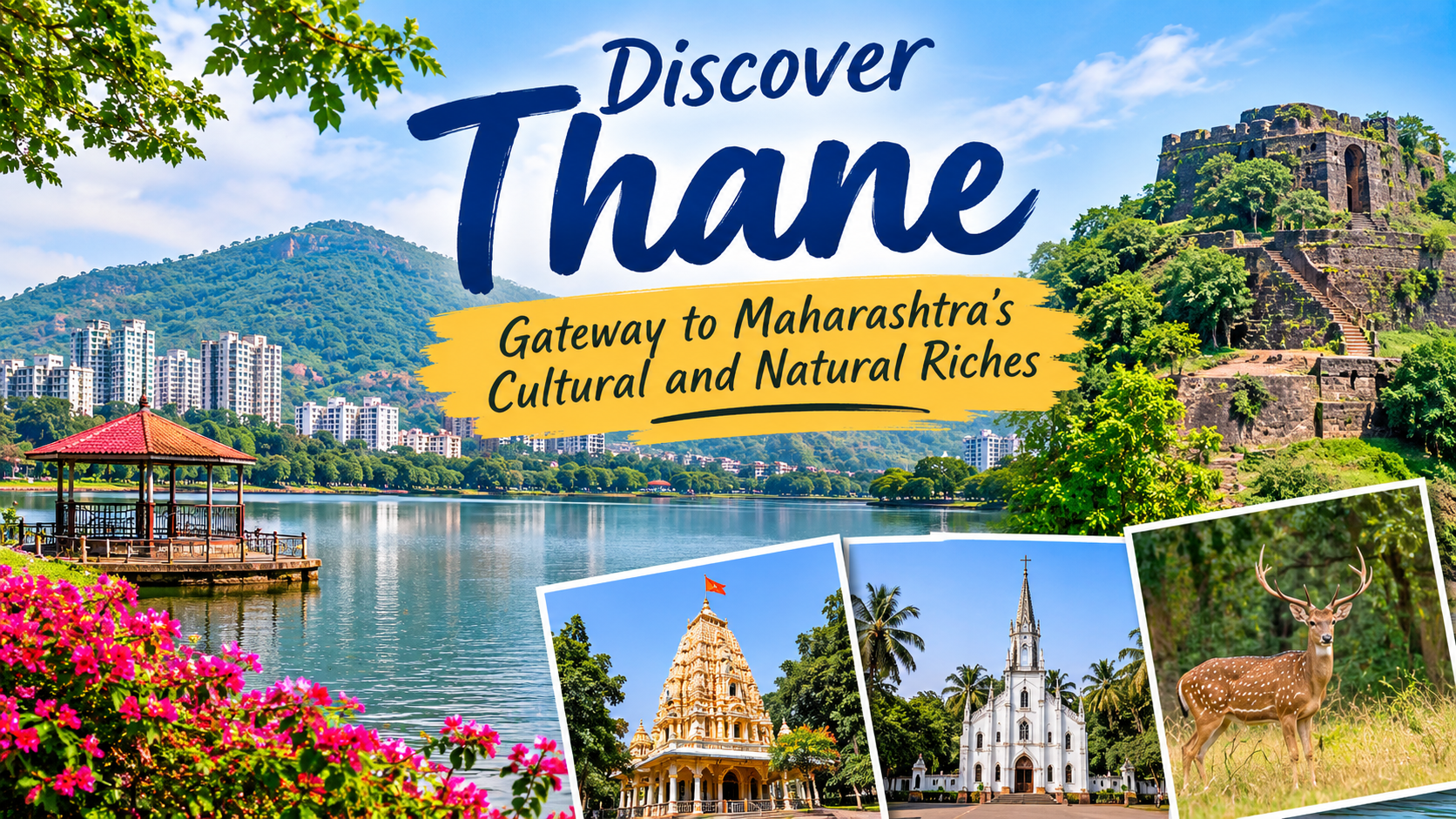
Discover Thane: Gateway to Maharashtra’s Cultural and Natural Riches
Introduction to Thane District
Located in the northern part of Maharashtra’s Konkan division, Thane district is a fascinating blend of urban development, historical landmarks, natural landscapes and cultural traditions. Often overshadowed by its neighbouring Mumbai, Thane has plenty of its own character and attractions that make it worth exploring.
Thane is perhaps best known for its bustling cities, growing industrial centres and excellent connectivity to Mumbai. However, beyond the urban landscape lies a surprisingly diverse region of green hills, dense forests, lakes, rivers and traditional villages. The district is also home to several important religious sites, historic structures and scenic locations that offer a welcome break from the fast-paced city life.
Thane city itself is popularly known as the City of Lakes, thanks to its numerous lakes, including the well-known Upvan Lake and Masunda Lake (Talao Pali). These water bodies, surrounded by residential neighbourhoods and recreational spaces, have become an important part of the city’s identity.
The district also has a strong cultural identity shaped by communities such as the Agri, Koli and Warli, whose traditions, occupations, food and festivals continue to influence everyday life. From fishing communities along the coast to tribal settlements in the eastern hills, Thane offers a glimpse into several different ways of life.
In this guide, we will explore everything that makes Thane district special, including its geographical features, historical background, popular tourist attractions, cultural heritage, wildlife, cuisine and much more. Whether you’re a nature enthusiast, history lover, foodie or someone looking for a weekend getaway from Mumbai, Thane has plenty of experiences waiting to be discovered.
Geography and Landscape
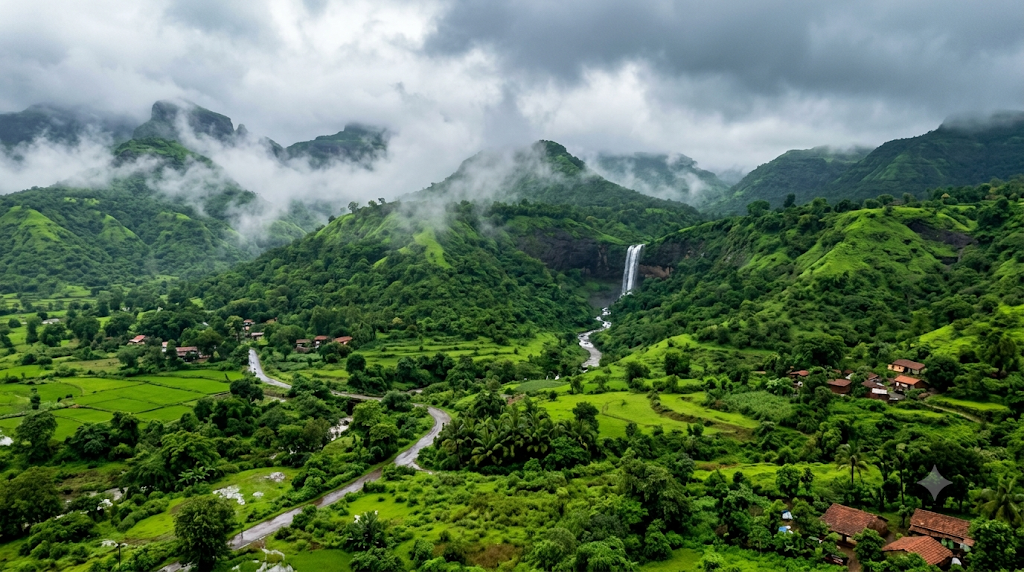
Thane district occupies an interesting geographical position in the northern Konkan region of Maharashtra. Located between the Sahyadri mountain ranges in the east and the Arabian Sea towards the west, the district features a varied landscape of hills, forests, coastal stretches, rivers and urban settlements.
Following the formation of Palghar district in 2014, the present-day Thane district covers approximately 4,214 square kilometres and consists of seven talukas: Thane, Kalyan, Bhiwandi, Shahapur, Murbad, Ambernath and Ulhasnagar.
The eastern parts of the district, particularly Shahapur and Murbad, are characterised by hills, forests and picturesque rural landscapes. These areas form part of the Sahyadri foothills and offer a refreshing contrast to the crowded urban settlements closer to Mumbai. The western and southern portions are more urbanised, with major cities such as Thane, Kalyan, Bhiwandi and Ulhasnagar serving as important residential, commercial and industrial centres.
Several rivers flow through the district, with the Ulhas and Vaitarna being among the most significant. The Tansa, Bhatsa and Barvi rivers and their associated reservoirs also play an important role in the region’s water supply and ecology. These rivers, lakes and dams contribute to the district’s natural landscape while supporting agriculture and surrounding communities.
Thane experiences a tropical climate, characterised by hot and humid summers, heavy monsoon rainfall and relatively pleasant winters. The monsoon season, generally extending from June to September, transforms the surrounding hills and forests into lush green landscapes. Waterfalls, streams and scenic viewpoints become particularly attractive during this period.
Winter, from November to February, is generally the most comfortable season for sightseeing, trekking and outdoor activities. Summers can be hot and humid, especially in the urban areas.
The combination of urban centres, forest-covered hills, rivers and coastal landscapes makes Thane geographically diverse. It is this contrast between modern city life and relatively untouched natural surroundings that gives the district its distinctive character.
Historical Significance of Thane
Thane has a fascinating history that stretches back many centuries. Its strategic location along important maritime and inland trade routes made it a significant settlement during ancient and medieval times. The region has witnessed the influence of several dynasties and powers, including the Mauryas, Satavahanas, Shilaharas, Portuguese, Marathas and British.
The city of Thane is among the oldest historically significant settlements in the Mumbai region. Its importance as a trading centre is reflected in historical accounts, including references by the ancient Greek geographer Ptolemy. Its proximity to Thane Creek and the Arabian Sea made it an important location for maritime activities and commerce.
During the medieval period, the region came under the influence of different ruling dynasties. The Shilahara dynasty, which ruled parts of the Konkan region, contributed to the development of temples and other religious structures. Their influence can still be seen in some of the region’s historic architectural remains.
The Portuguese established a strong presence along the western coast of India, including parts of the present-day Thane region. They constructed churches, forts and other structures, some of which remain important historical landmarks. Later, the Marathas expanded their influence across the region, followed by the British, who further developed Thane as an administrative and railway centre.
One of the most important milestones in Thane’s history was the introduction of India’s first passenger train service on 16 April 1853, which connected Bori Bunder in Mumbai with Thane. This historic journey marked the beginning of railway transportation in India and transformed the region’s connectivity and development.
Today, Thane’s historical identity can be explored through landmarks such as Kopineshwar Temple, Thane Fort and St. John the Baptist Church. These structures offer glimpses into the different cultural, religious and political influences that shaped the district over the centuries.
Thane’s history is not just about forts and monuments; it is also about its evolution from an important trading settlement into one of Maharashtra’s major urban and industrial centres.
Popular Tourist Attractions
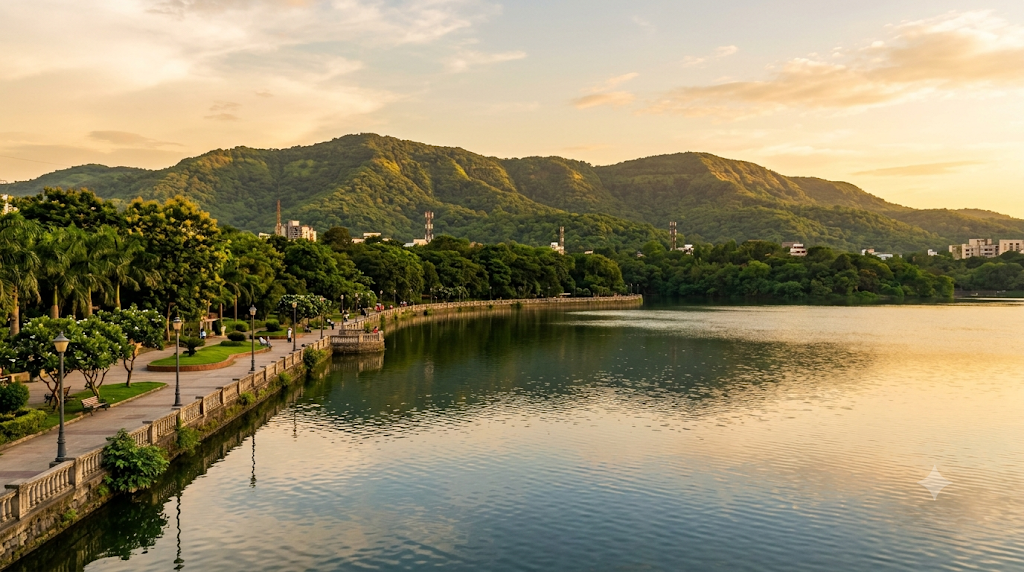
Thane district offers a variety of attractions, ranging from peaceful lakes and scenic hills to historic monuments, religious destinations and family entertainment centres. While the district is closely associated with Mumbai’s urban landscape, there are several places worth exploring for a refreshing getaway.
Upvan Lake is among the most popular attractions in Thane city. Surrounded by greenery and situated near the Yeoor Hills, the lake is a favourite destination for morning walks, evening outings and photography. It also hosts the annual Sanskruti Arts Festival, which brings together artists and performers from different parts of the country.
Another well-known attraction is Masunda Lake, popularly called Talao Pali. Located in the heart of Thane city, it is a lively recreational destination with boating facilities, walking areas and several eateries nearby. The historic Kopineshwar Temple is also located close to the lake.
For those interested in history and architecture, Thane Fort and St. John the Baptist Church offer glimpses into the district’s colonial past. The fort has undergone several changes over the years, while the church remains an important historical and religious landmark.
Nature lovers should consider visiting Yeoor Hills, which form part of Sanjay Gandhi National Park. Known for their greenery, forest trails and biodiversity, these hills provide an excellent escape from the surrounding urban environment.
Tansa Lake and the surrounding Tansa Wildlife Sanctuary are other attractions worth exploring. The region is known for its forests, wildlife and peaceful natural surroundings, making it particularly appealing to nature enthusiasts.
The district also offers family-friendly destinations such as Tikuji-ni-Wadi, a popular amusement and water park, and religious destinations such as the famous Titwala Ganesh Temple.
Whether you prefer sightseeing, exploring historical landmarks, spending time in nature or enjoying a family outing, Thane has a diverse selection of attractions to offer.
Cultural and Religious Heritage
Thane district has a diverse cultural identity shaped by its many communities, traditions and historical influences. The region is home to communities such as the Agri, Koli and Warli, each contributing to its distinctive cultural landscape.
The Agri and Koli communities have traditionally been associated with agriculture, fishing and coastal occupations. Their influence can be seen in the region’s food, festivals, traditional clothing and everyday customs. Fishing villages along the coastal belt continue to preserve many of these traditions.
The Warli community, particularly associated with the tribal regions of Maharashtra, is renowned for its distinctive Warli paintings. This traditional art form uses simple geometric shapes and white pigment on earthy backgrounds to depict everyday life, nature, farming activities and community celebrations. It is one of Maharashtra’s most recognised indigenous art traditions.
Religion also plays an important role in the cultural life of Thane. The Kopineshwar Temple, dedicated to Lord Shiva, is one of the most significant religious landmarks in Thane city. The Titwala Ganesh Temple is another important pilgrimage destination, attracting devotees throughout the year, particularly during Ganesh Chaturthi and Sankashti Chaturthi.
The district also has several historic churches and other religious structures that reflect its diverse cultural influences. St. John the Baptist Church is one such example of its colonial-era religious heritage.
Traditional festivals bring communities together throughout the year. Ganesh Chaturthi is celebrated with great enthusiasm, with beautifully decorated pandals, cultural programmes and processions. Navratri, Diwali, Holi and Gudi Padwa are also celebrated across the district.
Thane’s cultural richness lies in the coexistence of its traditional communities and rapidly developing urban population. Exploring its temples, tribal art, fishing settlements and local celebrations offers visitors an opportunity to understand the region beyond its modern cityscape.
Natural Wonders and Wildlife
Despite its rapid urbanisation, Thane district retains several important natural habitats that support a diverse range of plants and animals. Its forest-covered hills, lakes, rivers and wetlands provide valuable ecosystems for wildlife and offer opportunities for nature-based tourism.
One of the most prominent natural destinations is Yeoor Hills, located near Thane city and forming part of Sanjay Gandhi National Park. The hills are known for their dense vegetation, walking trails and rich biodiversity. They are particularly popular among birdwatchers, nature photographers and people looking for a peaceful escape from city life.
Another important ecological destination is Tansa Wildlife Sanctuary, which protects a large stretch of forest and wildlife habitat in the region. The sanctuary is home to a variety of mammals, reptiles and bird species. Its forests also play an important role in maintaining the ecological balance of the surrounding landscape.
The district’s lakes and reservoirs are equally important from an ecological perspective. Tansa, Bhatsa and other water bodies support local biodiversity while serving as important sources of water for nearby urban areas.
The surrounding Sahyadri foothills offer several opportunities for nature walks, trekking and exploring rural landscapes. During the monsoon, the hills become especially beautiful, with seasonal waterfalls, flowing streams and lush vegetation attracting visitors from nearby cities.
Birdwatching is another activity worth exploring, particularly around forest areas, lakes and wetlands. Depending on the season, visitors may spot different resident and migratory bird species.
However, these natural environments require responsible tourism. Visitors should avoid littering, disturbing wildlife or entering restricted forest areas without permission. By respecting local guidelines and supporting conservation initiatives, travellers can help preserve Thane’s natural heritage for future generations.
Culinary Delights of Thane
Thane’s culinary scene is a wonderful reflection of Maharashtra’s diverse food traditions. Influenced by coastal communities, traditional Maharashtrian cooking and the city’s cosmopolitan population, the district offers a wide variety of flavours and dining experiences.
Given its proximity to the Arabian Sea, seafood has traditionally been an important part of the local cuisine. The Koli and Agri communities have a long association with fishing, and their food traditions feature preparations made using fresh fish, prawns, crabs and other seafood.
Some popular dishes include Bombil fry, Bangda fry, fish curry and prawn masala. These preparations often use coconut, red chillies, tamarind and locally blended spices to create rich and flavourful gravies.
Traditional Maharashtrian vegetarian food is equally popular. Dishes such as Pithla Bhakri, Varan Bhat, Thalipeeth, Misal Pav and Bharli Vangi are enjoyed across the district. A traditional Maharashtrian meal, served with rice, chapati, vegetables, dal, chutneys and pickles, offers a wonderful introduction to the region’s everyday food culture.
Street food is another major attraction, particularly in Thane city. Vada Pav, Pav Bhaji, Bhel Puri, Sev Puri and Misal Pav are widely available at roadside stalls and popular food markets. Areas around Jambli Naka, Naupada and other busy neighbourhoods offer plenty of opportunities for food lovers.
No discussion of Maharashtrian sweets would be complete without mentioning Modak, especially during Ganesh Chaturthi. Other popular treats include Puran Poli, Shrikhand and Ukadiche Modak.
Thane’s modern food scene also offers cuisines from across India and around the world, reflecting its diverse urban population. From traditional Maharashtrian eateries to contemporary cafés and restaurants, there is something to suit almost every taste.
Whether you enjoy traditional seafood, simple home-style meals or popular street food, exploring Thane through its culinary offerings is an experience in itself.
Festivals and Celebrations
Festivals are an important part of life in Thane district, bringing together communities and showcasing the region’s cultural diversity. Throughout the year, the district comes alive with religious celebrations, traditional performances, colourful decorations and community gatherings.
Ganesh Chaturthi is among the biggest celebrations in Thane. Homes, residential societies and public pandals welcome beautifully decorated idols of Lord Ganesha. The celebrations continue for several days with prayers, cultural programmes, music and community activities. The final immersion processions are particularly lively, attracting large crowds.
Navratri is another major festival, celebrated with enthusiasm across the district. Garba and Dandiya Raas events are organised at various venues, with people dressed in colourful traditional attire gathering for nights of music and dance.
Diwali, the festival of lights, is celebrated by decorating homes with lamps, lanterns and colourful rangoli designs. Families exchange sweets, perform traditional rituals and celebrate together.
The district also celebrates Gudi Padwa, which marks the Maharashtrian New Year. Homes are decorated with gudis, and traditional dishes are prepared to mark the occasion.
Among the district’s cultural highlights is the Sanskruti Arts Festival at Upvan Lake, which brings together artists, musicians, sculptors and performers. It has become an important platform for celebrating art and culture in Thane.
The region’s tribal communities also preserve their own traditional celebrations, folk music and dance forms. These cultural expressions provide an interesting glimpse into the lives and customs of communities that have inhabited the region for generations.
Thane’s festivals are not merely religious occasions; they are also opportunities for people to connect, celebrate their heritage and keep traditional practices alive.
Accommodation Options in Thane
Thane district offers a wide range of accommodation options, catering to business travellers, families, tourists and people visiting the region for short weekend breaks.
Thane city has several hotels ranging from premium properties to affordable business hotels. These are particularly convenient for visitors who want easy access to shopping centres, restaurants, railway stations and other urban facilities.
For travellers looking for a comfortable stay without spending too much, there are numerous budget hotels and guesthouses in Thane, Kalyan, Bhiwandi and other urban centres. These establishments generally provide essential amenities and convenient access to local transportation.
Those seeking a more relaxed experience can explore resorts and nature-oriented accommodation options around Shahapur and Murbad. These areas offer a greener environment, with some properties providing swimming pools, outdoor activities and spaces for relaxation.
There are also family-friendly resorts and recreational properties near the outskirts of Thane, making them suitable for weekend getaways from Mumbai.
When choosing accommodation, consider the purpose of your visit. If you are primarily exploring Thane city, staying close to the railway station or major commercial areas can be convenient. For nature-focused trips, accommodation closer to Shahapur or Murbad may be a better choice.
It is advisable to book in advance during weekends, public holidays and festive periods, particularly if you are planning to stay at a popular resort.
Local Markets and Shopping
Shopping in Thane offers an interesting combination of traditional markets, bustling street bazaars and modern shopping centres. Whether you are looking for everyday essentials, clothing, traditional snacks or a more contemporary shopping experience, the district has plenty of options.
Jambli Naka Market is one of the well-known traditional shopping areas in Thane city. The market is popular for clothing, household items, accessories and everyday products. Its busy streets and numerous small shops offer a glimpse into the city’s traditional shopping culture.
Naupada Market is another important commercial area, with shops selling groceries, clothing, footwear, household products and local specialities.
For a more modern shopping experience, Thane has several large malls and retail centres, including Viviana Mall, Korum Mall and R Mall. These centres feature national and international brands, restaurants, cafés, entertainment facilities and multiplexes.
Food lovers can also explore local markets for traditional Maharashtrian snacks, sweets, spices and other regional products.
Visitors interested in local culture can look for Warli paintings and handmade products associated with tribal communities. Buying directly from local artisans, where possible, is a good way to support traditional craftsmanship and local livelihoods.
Whether you prefer exploring crowded traditional markets or spending an afternoon at a modern shopping mall, Thane offers a shopping experience that reflects its blend of old and new.
Travel Tips and Resources
Planning a trip to Thane is relatively straightforward, thanks to its excellent connectivity and variety of accommodation and transportation options. However, keeping a few practical points in mind can make your visit more enjoyable.
- Best Time to Visit: November to February is generally the most pleasant period for sightseeing and outdoor activities.
- Monsoon Travel: The monsoon season transforms the surrounding hills and forests into beautiful green landscapes. However, check weather conditions before planning treks or nature excursions.
- Transportation: Thane is well-connected by suburban trains, buses, auto-rickshaws and app-based cab services.
- Explore Beyond the City: Consider visiting Shahapur and Murbad if you want to experience the district’s natural landscapes and rural surroundings.
- Plan Your Accommodation: Book hotels and resorts in advance, particularly during weekends and public holidays.
- Carry Essentials: Sunscreen, comfortable footwear, drinking water and insect repellent can be useful, especially for outdoor activities.
- Respect Nature: Avoid littering, disturbing wildlife or entering restricted forest areas.
- Respect Local Traditions: Dress appropriately when visiting religious places and follow local customs.
Thane is a relatively easy destination to explore, but planning your itinerary according to the locations you want to visit will help you make the most of your time.
How to Reach Thane
Thane enjoys excellent connectivity with Mumbai, Pune and other major cities in Maharashtra. Its location within the Mumbai Metropolitan Region makes it one of the most accessible districts in the Konkan division.
- By Road: Thane is well-connected through the Eastern Express Highway, NH 48 and other major road networks linking Mumbai, Pune and Nashik.
- By Rail: Thane Railway Station is a major junction on Mumbai’s Central Railway suburban network, with excellent connectivity to Mumbai and surrounding towns.
- By Air: Chhatrapati Shivaji Maharaj International Airport in Mumbai is the nearest major airport, located approximately 25–30 km from Thane city, depending on the route.
- Local Transport: Buses, auto-rickshaws, taxis and app-based cab services are readily available for travelling within the district.
Conclusion
Thane district is much more than an extension of Mumbai’s urban landscape. Beneath its bustling cities and industrial centres lies a region filled with historical landmarks, beautiful lakes, green hills, diverse communities and fascinating cultural traditions.
From spending a peaceful evening at Upvan Lake and exploring the forests of Yeoor Hills to visiting historic temples, discovering traditional markets and enjoying authentic Maharashtrian food, Thane offers a variety of experiences for different kinds of travellers.
Its excellent connectivity makes it an accessible destination for weekend visitors, while its natural and cultural attractions provide plenty of reasons to explore beyond the familiar urban centres.
Whether you are a resident looking to discover something new or a traveller exploring Maharashtra’s Konkan region, Thane deserves a place on your itinerary.


